
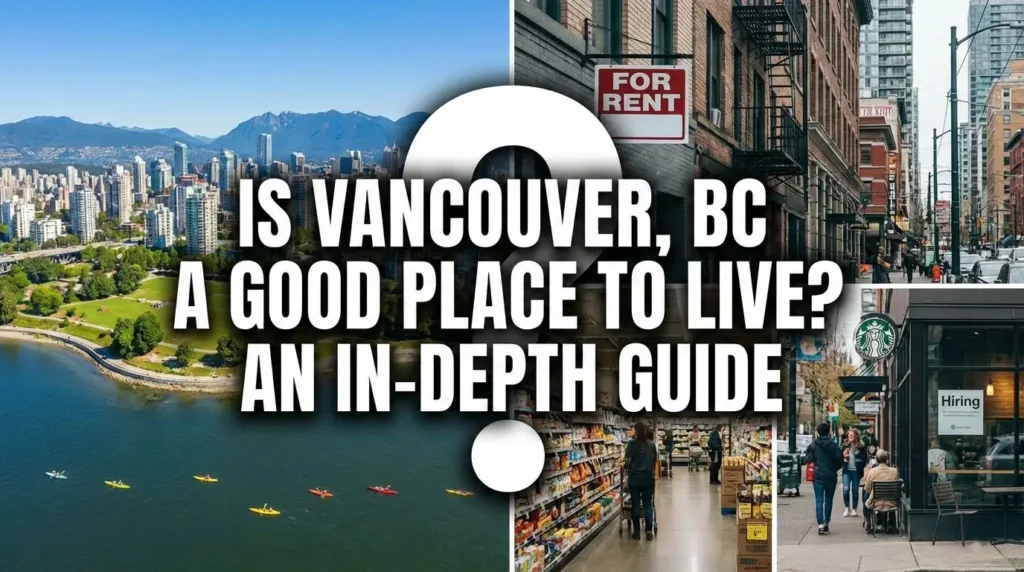
If you are considering a move to Vancouver, British Columbia, you are not alone. Vancouver consistently ranks among the world’s most livable cities and attracts newcomers from across Canada and around the globe. But is Vancouver truly a good place to live? The answer depends on what you value most in a city.
In this guide, we share practical insights based on real relocation experience from the team at President Movers. From stunning natural scenery and a mild coastal climate to high living costs and rainy winters, we break down the real pros and cons so you can make an informed decision about your move.
Whether you are a young professional pursuing career opportunities, a family searching for safe neighbourhoods and quality schools, or a retiree looking for a milder climate, Vancouver offers something for nearly every lifestyle. Our Vancouver movers help people relocate here every day, and we see firsthand what makes this city special, along with the challenges you should prepare for.
Vancouver at a Glance
Vancouver stands as the largest city in British Columbia and the third-largest metropolitan area in Canada, with more than 2.6 million residents across Metro Vancouver. The city sits on the west coast between the Pacific Ocean and the Coast Mountains and offers striking natural beauty, rich cultural diversity, and a high quality of life.
Pros of Living in Vancouver
Vancouver offers many advantages that make it an attractive place to call home. Here are the key benefits of living in this beautiful city.
1. Stunning Natural Beauty
Vancouver ranks among the most naturally beautiful cities in the world. The city sits between the Pacific Ocean and the Coast Mountains, and residents enjoy breathtaking views throughout the area. On clear days, you can see snow-capped mountains while walking along the beach.
The city features numerous parks and green spaces, including Stanley Park, which spans more than 400 hectares and exceeds New York’s Central Park in size. You can explore forests, beaches, hiking trails, and waterfront paths across the city. Whether you prefer mountain hikes, ocean kayaking, or quiet neighbourhood walks, nature stays within easy reach.
Many locals describe this access to nature as the main reason they stay long term. In online community discussions, residents often say they can hike, ski, and visit the beach all within the same week, something few major cities offer.
2. Mild Climate
Compared to most Canadian cities, Vancouver experiences an exceptionally mild climate. Winters remain cool but rarely drop far below freezing, with average temperatures between 0°C and 10°C. Snow falls infrequently in the city itself.
Summers feel warm and comfortable, with average temperatures between 15°C and 25°C. Extreme heat rarely affects the region. This moderate climate allows residents to enjoy outdoor activities throughout the year and attracts people who prefer to avoid harsh winter conditions.
3. Outdoor Activities Year-Round
Vancouver supports an active outdoor lifestyle in every season. During summer, residents visit Kitsilano Beach and English Bay, hike the North Shore mountains near North Vancouver, cycle along the Seawall, and kayak in False Creek.
In winter, skiers and snowboarders head to Grouse Mountain, Cypress Mountain, or Whistler, all within driving distance. Vancouver hosted the 2010 Winter Olympics, and many residents still take advantage of world-class winter sports facilities. The city also offers golf courses, tennis courts, sailing clubs, and recreational leagues throughout the year.
4. Multicultural and Diverse
Vancouver stands as one of the most ethnically diverse cities in Canada. More than half of residents speak a language other than English at home. This diversity shapes the city’s restaurants, neighbourhoods, and cultural celebrations.
You can find authentic cuisine from around the world, including Chinese, Japanese, Indian, Italian, and Middle Eastern options. Neighbourhoods such as Chinatown, Commercial Drive, and Punjab Market highlight this cultural richness. Annual events like Chinese New Year celebrations, Diwali festivals, and the Pacific National Exhibition showcase the city’s global character.
Many newcomers mention that they feel comfortable integrating into Vancouver because of its multicultural environment and strong immigrant communities.
5. Strong Job Market
Vancouver maintains a diverse and growing economy. The technology sector continues to expand, and companies such as Amazon, Microsoft, SAP, and Hootsuite operate in the region.
The film and television industry plays a major role in the local economy, and many professionals refer to Vancouver as “Hollywood North.” The city also supports strong finance, tourism, healthcare, and green energy sectors.
While Vancouver offers competitive salaries in several industries, the high cost of living offsets some of those earnings.
6. Excellent Education
Vancouver hosts respected institutions such as the University of British Columbia and Simon Fraser University, both recognized internationally. These universities attract students, researchers, and faculty from around the world.
The Vancouver School Board operates more than 100 public schools, and numerous private institutions serve families across the city. Many families choose Vancouver specifically for educational opportunities.
7. Quality Healthcare
British Columbia provides public healthcare coverage through the Medical Services Plan. Vancouver supports this system with major hospitals such as Vancouver General Hospital, St. Paul’s Hospital, and BC Children’s Hospital.
Although wait times can affect non-urgent care, medical professionals in the city deliver high standards of treatment. New residents should arrange temporary private insurance until provincial coverage begins.
8. Efficient Public Transit
TransLink operates Vancouver’s public transit system, which includes SkyTrain rapid transit lines, bus routes, the SeaBus ferry, and the West Coast Express commuter rail.
The SkyTrain runs frequently and connects key areas across the region. The Canada Line links downtown Vancouver with the airport and Richmond. Many residents live without a car and rely on transit, cycling infrastructure, and walkable neighbourhoods.
9. Safety
Vancouver maintains lower violent crime rates than many large North American cities. Most neighbourhoods remain safe for daytime and evening activities. Community programs and neighbourhood initiatives support public safety across the city.
Some areas, particularly the Downtown Eastside, face visible challenges related to homelessness and addiction. However, most residential neighbourhoods offer a safe environment for families and professionals.
10. Environmental Consciousness
Vancouver actively promotes sustainability and environmental responsibility. City leaders implement green building standards, support renewable energy initiatives, and work to reduce carbon emissions.
Residents participate in strong recycling and composting programs, and many choose cycling or public transit over driving. Environmentally conscious individuals often appreciate Vancouver’s commitment to sustainability.
Cons of Living in Vancouver
While Vancouver has many advantages, it also has significant drawbacks that you should consider before moving. Here are the main challenges of living in this city.
1. Extremely High Cost of Living
Vancouver consistently ranks as one of the most expensive cities in Canada and among the least affordable housing markets in the world. The high cost of living creates the biggest challenge for most residents.
Housing costs: The average home price in Vancouver sits at approximately $1.2 million, which makes homeownership out of reach for many. A detached house can easily cost $2 million or more. Condos and townhouses cost less but remain expensive by Canadian standards.
Rent: The average rent for a one-bedroom apartment in downtown Vancouver ranges from $2,300 to $2,900 per month. Even in outer neighbourhoods, rents remain high compared to most Canadian cities.
Overall expenses: A single person needs approximately $3,500 to $4,500 per month to live comfortably in Vancouver. A family of four should budget $7,000 to $9,000 per month. These figures exclude savings and unexpected expenses.
Many Reddit users describe how they scraped by month after month while rent took the largest share of their income, and some repeatedly mention that finding a place to rent felt like competing in a bidding war simply due to demand and price pressure.
2. Rainy Weather
Vancouver’s mild climate comes with a trade-off: rain. The city receives approximately 1,200 mm of rainfall per year, with most of it falling between October and March. During the winter months, it can feel like the rain never stops, with frequent overcast skies.
The lack of sunshine during winter can be challenging for some people. Vancouver averages less winter sunshine than any other major Canadian city. Some residents experience Seasonal Affective Disorder (SAD) during the grey months. In Reddit conversations about weather, many locals say that the absence of sun, more than the rain itself, takes a toll on mood and motivation. If you need sunshine to feel happy, the Vancouver winter may be difficult.
3. Competitive Housing Market
Beyond the high prices, Vancouver’s rental market stays extremely competitive. Finding an affordable apartment often takes weeks or months, and bidding wars appear regularly for desirable rentals. Vacancy rates remain among the lowest in Canada.
Many residents continue to live with roommates well into their 30s or 40s to afford rent. Young professionals and families often have to choose between living in a small space downtown or commuting from more affordable suburbs.
4. Traffic Congestion
Despite having good public transit, Vancouver experiences significant traffic congestion, particularly during rush hours. The city’s geography, with mountains to the north and water surrounding much of it, limits road capacity. Major chokepoints include the Lions Gate Bridge, the tunnel to Richmond, and the Port Mann Bridge to the eastern suburbs.
If you work outside the downtown core or in a location not well-served by transit, you may face lengthy commutes. Many residents choose to live closer to work to avoid traffic, even if it means smaller or more expensive housing.
5. Homelessness and Drug Issues
Vancouver faces a visible homelessness problem, particularly concentrated in the Downtown Eastside neighbourhood. The opioid crisis has hit Vancouver hard, and issues with drug addiction and mental health appear in certain areas.
While the city and province invest in social services and housing initiatives, homelessness continues as a persistent challenge. This issue can feel confronting for newcomers, especially those from cities where homelessness feels less visible.
6. Property Crime
While violent crime remains relatively low, Vancouver has higher rates of property crime, including theft from vehicles, break-ins, and bicycle theft. People often report that thieves target unattended vehicles and bikes even in seemingly safe neighbourhoods.
Residents learn to take precautions, such as never leaving valuables visible in vehicles and investing in strong locks for bicycles. Most people treat these precautions as part of everyday life.
7. Difficulty Building Social Connections
Some newcomers find it challenging to build social connections in Vancouver. The city has a reputation for being “cliquey,” with established social groups that feel difficult to break into. The rainy weather also reduces casual outdoor interactions with neighbours.
Many people find community through work, sports leagues, hobby groups, and volunteer activities. If you make an effort to put yourself out there, you can build meaningful friendships.
Cost of Living in Vancouver: A Detailed Breakdown
Understanding the true cost of living in Vancouver is essential before making a move. Here is a detailed breakdown of typical expenses.
1. Housing Costs
Housing is the largest expense for Vancouver residents. Here are current averages:
- Studio apartment: $1,800 to $2,200 per month
- 1-bedroom apartment (downtown): $2,300 to $2,900 per month
- 1-bedroom apartment (outer areas): $1,800 to $2,200 per month
- 2-bedroom apartment: $2,800 to $3,500 per month
- Average home price: $1.2 million (condos around $700,000)
2. Utilities
- Electricity (BC Hydro): $50 to $100 per month
- Heat (if separate): $50 to $100 per month
- Internet: $80 to $120 per month
- Mobile phone: $50 to $90 per month
3. Transportation
- Monthly transit pass: $100 to $180 (depending on zones)
- U-Pass (students): $47 per month
- Car insurance (ICBC): $150 to $250 per month
- Gas: $150 to $250 per month
- Parking: $150 to $400 per month (downtown)
4. Food and Groceries
- Groceries (single person): $375 to $500 per month
- Groceries (family of four): $800 to $1,200 per month
- Restaurant meal (mid-range): $20 to $35 per person
- Coffee: $5 to $7
5. Monthly Budget Summary
| Category | Single Person | Family of Four |
| Housing | $2,000 – $2,500 | $3,500 – $4,500 |
| Utilities | $180 – $300 | $250 – $400 |
| Transportation | $100 – $400 | $300 – $600 |
| Food | $400 – $600 | $1,000 – $1,500 |
| Other Expenses | $300 – $500 | $500 – $1,000 |
| Total Monthly | $3,000 – $4,500 | $5,500 – $8,000 |
Best Neighbourhoods to Live in Vancouver
Vancouver offers diverse neighbourhoods, each with its own character and appeal. Here are some of the best areas to consider.
1. For Young Professionals
Yaletown: A trendy neighbourhood with converted warehouse lofts, upscale restaurants, boutique shops, and a vibrant nightlife. Close to the Seawall and False Creek.
Mount Pleasant: A hip area with craft breweries, vintage shops, cafes, and a creative vibe. Main Street is the heart of the neighbourhood with excellent dining options.
Gastown: Vancouver’s oldest neighbourhood with cobblestone streets, historic architecture, and a thriving restaurant and bar scene. However, proximity to the Downtown Eastside is a consideration.
2. For Families
Kitsilano: A family-friendly neighbourhood near the beach with excellent schools, parks, and a mix of heritage homes and condos. Known for its active, healthy lifestyle.
Kerrisdale: A quiet, affluent neighbourhood with tree-lined streets, good schools, and a village-like atmosphere. Popular with families and retirees.
Dunbar: A safe, family-oriented area with excellent schools, parks, and easy access to UBC. Larger homes and a strong community feel.
Killarney: One of Vancouver’s safest areas with larger homes, excellent community facilities, and more affordable prices than the west side.
For Budget-Conscious Residents
East Vancouver: Areas like Renfrew-Collingwood, Kensington-Cedar Cottage, and Hastings-Sunrise offer more affordable housing while still providing good transit access and community amenities.
Sunset: One of the more affordable neighbourhoods in Vancouver with a diverse community, family-friendly environment, and improving amenities.
3. Safest Neighbourhoods
Based on crime statistics, some of the safest neighbourhoods in Vancouver include:
- Shaughnessy
- West Point Grey
- South Cambie
- Arbutus Ridge
- Killarney
- Kerrisdale
Is Vancouver Right for You?
Vancouver is ideal for certain types of people but may not be the best fit for everyone. Here is how to know if Vancouver is right for you.
Vancouver might be perfect for you if:
- You love the outdoors and want easy access to mountains, beaches, and nature
- You can afford the high cost of living or have a well-paying job lined up
- You prefer mild weather to extreme cold or heat
- You value diversity and multicultural experiences
- You work in tech, film, healthcare, or another thriving industry
- You do not mind rain and grey skies for several months of the year
Vancouver might not be right for you if:
- Affordable housing is a top priority
- You need lots of sunshine year-round to feel happy
- You want to buy a detached home on a typical salary
- You dislike rain or damp, grey weather
- You prefer a city with less competitive job and housing markets
How Much Does It Cost to Move to Vancouver?
If you have decided that Vancouver is the right place for you, the next step is planning your move. Here is what you can expect to pay for moving services.
Local Moving Costs Within Vancouver
- Studio apartment: $400 to $700
- 1-bedroom apartment: $500 to $1,000
- 2-bedroom apartment: $800 to $1,500
- 3-bedroom house: $1,200 to $2,500
- Hourly rate (2 movers + truck): $130 to $180 per hour
Long-Distance Moving to Vancouver
- From Calgary: $3,500 to $7,000
- From Edmonton: $4,000 to $8,000
- From Toronto: $5,000 to $12,000
- From Montreal: $6,000 to $14,000
Please Note: These prices do not reflect President Movers’ quote. These are averages across Vancouver, BC. The exact price you pay depends on the details of your personalised, no-obligation quote.
Ready to Move to Vancouver? President Movers Is Here to Help
If you have decided that Vancouver is the right place for you, President Movers makes your move smooth from start to finish. Whether you relocate from across Canada or move locally within Vancouver, our experienced team manages every step of your move with care and precision.
Why Choose President Movers
- Local Expertise: We navigate Vancouver’s neighbourhoods, building requirements, and traffic patterns to keep your move efficient and on schedule.
- Transparent Pricing: We provide upfront quotes with no hidden fees or surprise charges.
- Professional Crew: Our trained, uniformed movers handle your belongings with respect and attention to detail.
- Full-Service Moving: We take care of packing and unpacking, furniture disassembly and assembly, loading and unloading, and secure warehouse storage when you need it.
- Residential & Commercial Moving: We move apartments, houses, offices, and warehouses with the same level of professionalism and organization.
- Furniture Deliveries: We safely transport and place new or existing furniture exactly where you want it.
- High-Rise Experience: We coordinate elevator bookings and complete condo moves smoothly, even in busy buildings.
- Staging Moves: We support real estate staging with careful furniture placement and fast turnaround.
- Insurance Coverage: We operate fully licensed and insured, so you move with confidence.
- Long-Distance Moves: We handle cross-Canada relocations with detailed planning and reliable execution.
Ready to start your Vancouver adventure? Call us at 604-900-5433 for your free, no-obligation quote.
Conclusion: Is Vancouver a Good Place to Live?
Yes, Vancouver is a good place to live for the right person. If you value natural surroundings, an active lifestyle, and a diverse urban culture, this city offers a unique living experience that few places can replicate.
Living well in Vancouver requires realistic expectations and thoughtful planning. Housing costs demand a solid income, and the rainy season can take some adjustment, but many residents find the trade-offs worthwhile once they settle into daily life.
For those who embrace the pace of the city and prepare financially, Vancouver delivers an exceptional blend of career opportunity, outdoor access, and cultural energy. With the right approach, you can build a comfortable and rewarding life here.
If you are ready to make the move, take time to research your neighbourhood, organize your budget, and plan your relocation carefully. A well-prepared move sets the foundation for a smooth transition into one of the world’s most livable cities.